Roofing Services

Leak repair starts with tracing water back to the actual entry point: vent boots, nail pops, chimney flashing, step flashing, skylight corners, ridge caps, or ice-dam backflow.
If water is active now, call (331) 267-5812 and keep yourself off the roof.
A roof problem usually announces itself at the worst time: a brown ring on the ceiling after an overnight thunderstorm, shingles in the yard after a wind burst, a drip near a can light, or an ice-dam leak that starts when snow finally melts. Naperville Roof Pros connects Naperville homeowners with a licensed, insured independent Illinois roofing contractor for leak repair, storm and hail damage documentation, emergency dry-ins, roof replacement decisions, inspections, maintenance, gutters, and siding. The work is local to Naperville, DuPage County, Will County, and nearby western suburbs, so the conversation starts with the roof problems this area actually sees: spring hail, summer wind, winter freeze-thaw damage, older subdivision shingles, steep architectural roofs, and cedar-shake pockets in higher-end neighborhoods.
The promise is simple. One call leads to a free inspection, photo documentation, and a straight answer: repair it if the roof can be repaired, or explain replacement when a patch would only hide a larger failure. You should know what failed, why water is getting in, what can wait, what should not wait, and what the written scope includes before approving work. If water is active now, call (331) 267-5812 and keep yourself off the roof. If you are comparing service areas, we also cover the western suburbs listed on areas we serve, including Aurora, Wheaton, and Bolingbrook. The goal is not a dramatic sales visit. It is a usable roof diagnosis, a firm written quote, and a repair plan you can understand.

Honest Repair-first Diagnosis · Storm Documentation Done Right · Local Crews, Same-week Scheduling
Leak repair starts with tracing water back to the actual entry point: vent boots, nail pops, chimney flashing, step flashing, skylight corners, ridge caps, or ice-dam backflow.
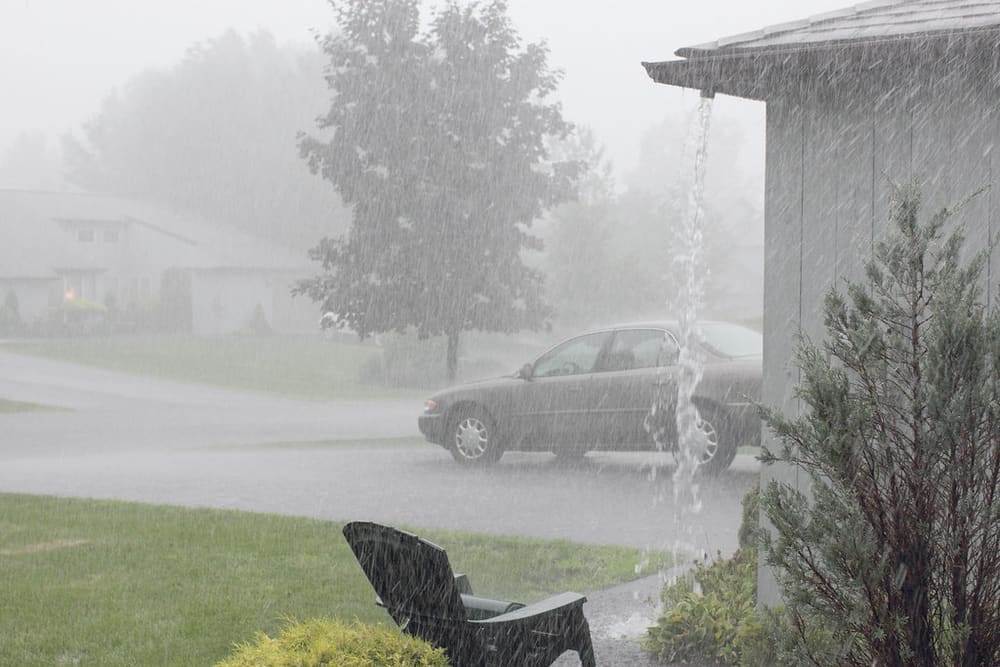
Gutter repair may mean sealing seams, correcting pitch, re-hanging sagging sections, replacing damaged outlets, or adding downspout extensions.
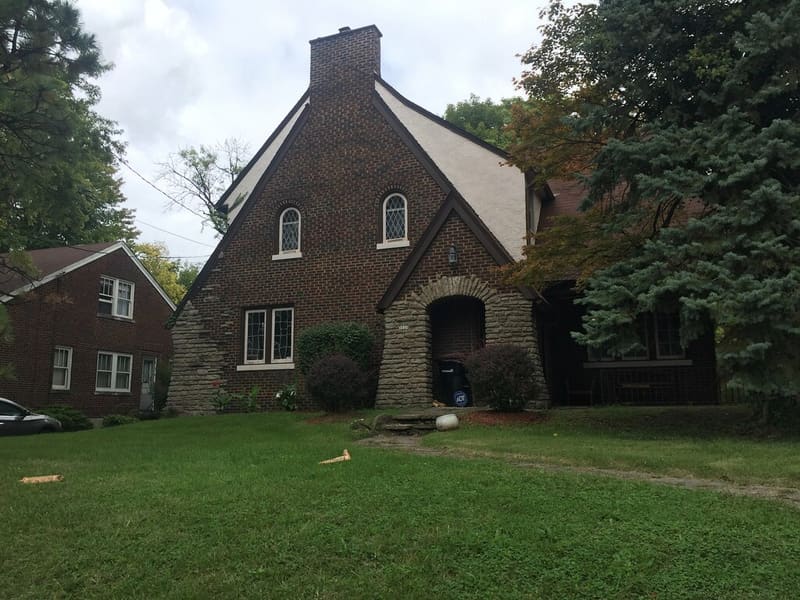
A siding inspection looks at the wall system, trim, flashing transitions, and whether discontinued profiles can be matched honestly.
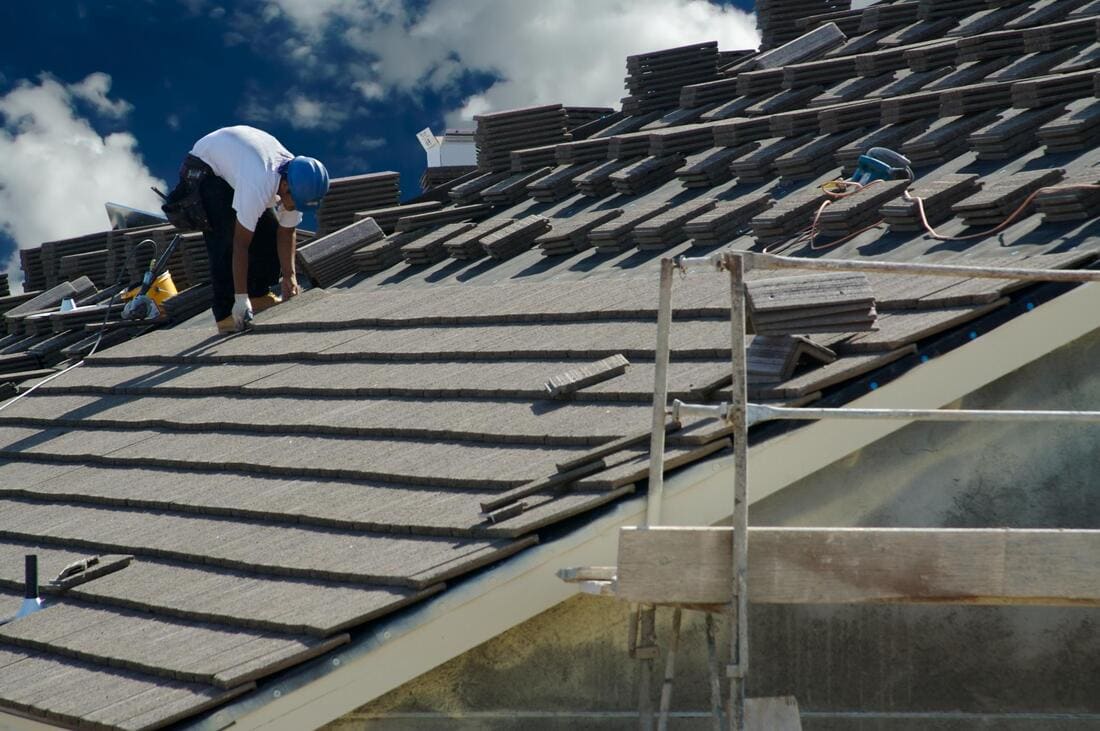
A roof repair call should not automatically become a replacement pitch. The inspection starts with the failure point: missing shingles, flashing, valleys, chimney details, vent boots, decking, attic ventilation, or roof age. If a focused repair can solve the problem, that should be the first recommendation. If the roof is too worn or damaged for a reliable patch, the contractor should show you photos and explain the replacement reasoning in plain language.
Hail and wind damage need careful documentation, not pressure. The contractor can photograph roof slopes, soft metal dents, missing shingles, lifted tabs, gutters, and interior water signs so you have a clear record. Insurance coverage decisions belong to the carrier, and Illinois law forbids contractors from paying, waiving, rebating, or absorbing a homeowner deductible. A clean scope protects you better than storm-chaser shortcuts.
Naperville weather does not wait for a slow calendar. Normal repair and inspection calls are scheduled quickly, and active leaks are triaged when water is moving into the home. The call covers roof height, access, interior symptoms, age, recent storms, and whether an emergency tarp is needed before the permanent repair. For direct scheduling, call (331) 267-5812 during business hours.
Start with the roof symptom, recent weather, home location, and whether water is actively entering the house. Photos from inside the attic or ceiling stain help, but do not climb onto the roof to get them. The goal of the first conversation is to decide how urgent the visit is and what the contractor should bring.
The contractor checks the suspect area and the surrounding roof system, then documents visible damage with photos. For storm calls, that may include shingles, vents, gutters, siding edges, and interior water paths. For aging roofs, it includes the broader condition so you know whether a patch is sensible.
You receive a written scope that explains the repair, materials, access assumptions, cleanup, and any permit handling if the project becomes replacement work. If there are two reasonable options, such as repair now or replace soon, both should be described so you can choose without guesswork.
Work is scheduled around weather and material availability. The crew completes the repair or dry-in, cleans loose debris, checks the surrounding area, and closes the loop on photos or paperwork. For insurance-funded work, the written contract and homeowner cancellation rights should be handled clearly and lawfully.
Naperville roofing service
Spring and summer storms can leave bruised shingles, loosened tabs, lifted ridge caps, dented soft metals, and granule loss that is hard to see from the driveway. A storm inspection documents the roof surface, vents, gutters, siding edges, and interior signs of water so you have a clear scope before talking with an insurer or deciding on repairs. The contractor can meet an adjuster when useful, but the work stays compliant: no promises about coverage, no deductible games, and no pressure to replace a roof that still has a repairable storm-damaged area.
Naperville roofing service
Emergency roof repair is for active water entry, tree impact, open decking, torn-off shingles, and storm openings that cannot wait for a normal appointment. The first visit is about stopping the immediate damage safely with a tarp, dry-in, or temporary board-up, then scheduling the permanent repair after conditions are stable. You should not climb a wet or icy roof to investigate. Keep buckets under active drips, move belongings away from the leak path, take photos inside the home, and call so the contractor can triage the situation before water spreads into insulation and drywall.
Naperville roofing service
Replacement becomes the better answer when a repair would only buy a short pause: repeated leaks in different areas, widespread granule loss, brittle shingles, soft decking, bad ventilation, or storm damage across too much roof surface. Naperville has many 1990s and 2000s subdivision roofs reaching that decision point now. A good replacement conversation compares tear-off versus overlay, architectural shingles versus older three-tab systems, ventilation corrections, decking repairs, and the City of Naperville permit process. The written quote should make clear why replacement is being recommended instead of another patch on this roof.
Naperville roofing service
A roof inspection is useful after hail, before winter, during a home sale, or when a roof is around the fifteen-year mark and you want a straight read on remaining life. The contractor checks shingles, flashing, vents, penetrations, valleys, gutters, attic ventilation, visible decking concerns, and interior leak clues. Photo reporting matters because it keeps the conversation grounded in what is actually on the roof. Sometimes the right answer is a small repair, sometimes it is maintenance, and sometimes the answer is that the roof is fine for now and only needs monitoring.
Naperville roofing service
Seasonal maintenance helps Naperville homeowners catch small failures before Chicagoland weather turns them expensive. Spring checks look for winter ice-dam damage, popped nails, cracked sealant, loose ridge caps, and shingle movement after freeze-thaw cycles. Fall work focuses on gutters, roof edges, ventilation, and small openings before snow sits on the roof. Maintenance is not a substitute for replacing a worn-out roof, but it can extend the useful life of a sound one. It is especially useful for shaded roofs, cedar-shake pockets, and homes with complex valleys after long wet seasons.
Naperville roofing service
Low-slope roofs on storefronts, offices, garages, additions, and flat porch sections need a different diagnosis from steep shingle work. EPDM rubber, TPO, modified bitumen, and standing-seam metal all depend on seams, drains, scuppers, curbs, and wall terminations. A small split seam or loose termination bar may be repairable, while chronic ponding, wet insulation, or repeated patches can push the conversation toward restoration coating or replacement. The inspection should document the membrane, drainage, flashing, rooftop penetrations, and interior water path before pricing is confirmed. That gives property managers and homeowners a clearer repair-versus-replace conversation.
Naperville roofing service
The cost page explains how Naperville roof repair pricing is built: damage size, pitch, height, access, material, decking condition, storm urgency, and whether the work is a localized repair or a replacement decision. It uses the same repair tiers shown on this homepage and frames every number as market-typical until a contractor confirms the scope in person. Use it when you want to compare bids, understand why two quotes differ, or decide whether a repair is still the financially sensible path for an aging roof before you authorize work with clearer context.
Roof pricing should be specific enough to help you plan, but honest enough to admit that the final number depends on the roof in front of the contractor. A small vent boot repair is not the same job as tracing a valley leak through soaked decking, and emergency dry-in work is priced differently from a planned repair on a clear weekday. Use these repair tiers as a market snapshot for Naperville-area roofing. The inspection confirms which tier actually applies, whether hidden decking changes the scope, and whether repair or replacement is the cleaner financial decision.
| Tier | Typical range | What it covers |
|---|---|---|
| Minor repair | $250–$600 | A few shingles, vent-boot/sealant work, and minor flashing repairs. |
| Moderate repair | $450–$1,200 | Leak tracing plus a decking patch, valley repair, or chimney-flashing rework. |
| Major repair | $1,200–$3,500 | Large roof sections, structural decking repairs, and full flashing rebuilds. |
| Emergency tarp / dry-in | $250–$600 | Same-day board-up and tarp service after a storm or tree strike. |
| Full replacement | $12,000–$25,000 | Architectural asphalt, tear-off, most Naperville single-family homes; ≈$450–$750 per square installed. |
These prices are market-typical, with a firm quote after a free inspection. The contractor confirms scope, materials, access, decking condition, and cleanup in writing before you authorize work.
Naperville roof repair pricing depends on the leak source, roof height, material, decking condition, and how much surrounding shingle or flashing must be opened to make the repair correctly. The table on this page shows market-typical repair tiers for 2026 Chicagoland work, and those ranges are only a planning guide. A licensed Illinois roofing contractor confirms the firm number after a free inspection, photos, and a written scope.
Repair usually makes sense when damage is isolated to a vent boot, flashing detail, valley, small shingle field, or one roof section with sound decking around it. Replacement starts to make more sense when leaks repeat, the roof is near the end of its service life, granules are heavily worn, decking is soft in multiple areas, or a large share of the surface needs work. The inspection should give you both paths when both are realistic.
Active leaks are handled as a scheduling priority, especially when water is reaching drywall, insulation, or electrical areas. Same-week inspections are common in normal weather, while heavy hail or wind events can create a triage queue. The safest first step is to contain the water inside, avoid climbing on the roof, take indoor photos, and call so the contractor can decide whether a tarp, dry-in, or standard repair visit is needed.
The connected contractor can inspect hail and wind damage, photograph roof conditions, prepare an itemized repair or replacement scope, and meet the adjuster on-site when that is appropriate. Coverage decisions belong to your insurer, and nothing here promises a claim outcome. Illinois law, including Public Act 96-1113, prohibits roofing contractors from paying, waiving, rebating, or absorbing any part of a homeowner insurance deductible. Avoid anyone who offers deductible games after a storm.
Limited roof repairs are generally treated differently from full replacement work, but permit requirements depend on the exact scope and current City of Naperville rules. Full roof replacement normally requires a city building permit, and your contractor should pull it as part of the written scope. If an inspection shows the work is more than a small repair, ask for the permit handling to be spelled out before signing.
A repair lasts longest when the real failure point is found, damaged decking is not covered over, flashing is rebuilt instead of smeared with sealant, and the surrounding shingles still have useful life. Some repairs are meant to solve a localized problem for years; others are a bridge until an aging roof can be replaced. Your written quote should explain which category applies and what could shorten the repair life.
Call Us Today
Naperville Roof Pros
(331) 267-5812Get photo documentation, a repair-first diagnosis, and a written quote from a licensed Illinois roofing contractor serving Naperville, DuPage County, and Will County.
“Did a full inspection before we bought the house and sent photos the same evening. The report was itemized enough for the seller to agree to the repair.”
“Water coming in on a weekend. Got a tarp up the same day and the real repair scheduled that week. Tarp work is never pretty, but it held.”
“Explained the repair-versus-replace math in plain English and let me decide. No pressure, and the patch is clean enough that the neighbors asked who did it.”