A practical 2026 Chicagoland price guide for common Naperville roof repairs, emergency tarps, major section work, and replacement decisions.
Most Naperville roof repairs fall between $250 and $1,200, with major section work reaching
$3,500 and full architectural asphalt replacement commonly landing between $12,000 and
$25,000 for many local single-family homes. Those are 2026 Chicagoland market-typical
ranges, not a rate card. The final number is confirmed by a free on-site inspection and a
written quote. For a fast inspection, call
(331) 267-5812.
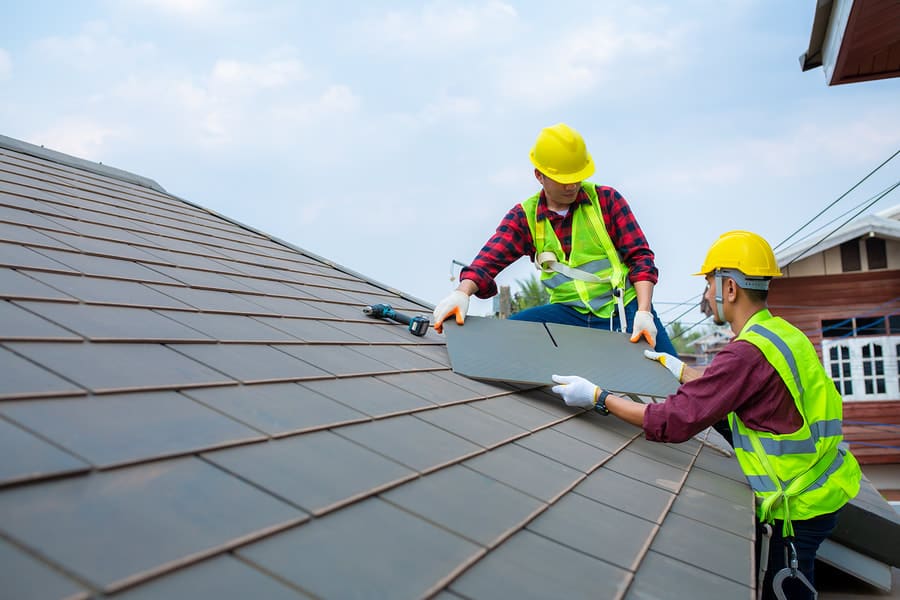
Roof repair cost depends on what failed, how far water traveled, how steep the roof is, and
whether decking or flashing has to be opened. A small pipe boot can be a minor repair. A
leak near a chimney can become a moderate scope if flashing and decking need work. Hail and
wind damage may require photo documentation before pricing, which is why the
storm damage page and this guide should be
read together after severe weather.
Final pricing is confirmed after an inspection of pitch, access, materials, and decking.
Typical 2026 Naperville Roof Repair Price Ranges
Repair tier
Typical range
What it covers
Minor repair
$250–$600
A few shingles, vent-boot/sealant work, and minor flashing repairs.
Moderate repair
$450–$1,200
Leak tracing plus a decking patch, valley repair, or chimney-flashing rework.
Major repair
$1,200–$3,500
Large roof sections, structural decking repairs, and full flashing rebuilds.
Emergency tarp / dry-in
$250–$600
Same-day board-up and tarp service after a storm or tree strike.
Full replacement
$12,000–$25,000
Architectural asphalt, tear-off, most Naperville single-family homes; ≈$450–$750 per square installed.
These ranges are market-typical planning numbers. Your contractor confirms the firm quote
after a free inspection, roof photos, and a written scope.
Use the table to sort the conversation, not to diagnose the roof from the kitchen table. A
minor repair usually means the surrounding roof is sound. A moderate repair often means the
contractor has to trace water, open a detail, and rebuild a localized area. Major work
means the roof has a larger failed section, structural decking concerns, or complicated
flashing that cannot be solved with surface sealant.
The 5 Factors That Move Your Price
Damage extent. A few shingles cost less than opening a valley, rebuilding chimney flashing, or replacing soft decking.
Roof pitch and height. Steeper, taller, or complex rooflines require more setup, labor, and safety planning.
Material. Three-tab, architectural asphalt, cedar, metal accents, and specialty trim all price differently.
Access. Tight side yards, landscaping, decks, skylights, and limited ladder placement can slow the repair.
Decking condition. Wet, swollen, or rotten sheathing turns a surface repair into a deeper structural scope.
Repair vs Replacement Math
Repair usually makes sense when the roof is otherwise sound and the damaged area is
isolated. Replacement starts to make sense when a repair would affect roughly 20 percent or
more of the roof surface, when decking rot is widespread, or when a 20-plus-year roof has
repeat leaks. If your decision is close, compare the active
leak repair scope with a
roof replacement quote. The cheaper option today is not
always cheaper if you repeat the same repair after every storm season.
Emergency Tarp and Dry-In Costs
Emergency tarp or dry-in work is typically $250 to $600, confirmed by site conditions. The
price moves with roof height, tarp size, weather, access, tree impact, and whether temporary
flashing or board-up is needed. A tarp is temporary protection, not the final repair. After
the home is dry, the contractor should write a permanent scope and explain whether the job
is minor, moderate, major, or replacement-level. For active water, start with
emergency roof repair.
How to Avoid Getting Burned
Ask for an itemized written quote that identifies the roof plane, materials, decking
assumptions, flashing details, cleanup, permit responsibility when replacement is involved,
and any workmanship warranty the contractor actually offers. Illinois roofing contractors
are licensed through IDFPR, so ask the operating contractor to identify their license before
signing. After storms, get more than one bid if the scope is large, and avoid pressure to
sign at the door. Illinois law (Public Act 96-1113) prohibits roofing contractors from paying, waiving, or rebating any portion of a homeowner's insurance deductible, and gives homeowners cancellation rights on insurance-funded repair contracts. Nothing on this site is a promise of insurance-claim approval; coverage decisions belong to your insurer.
Be cautious with vague line items like "roof repair" or "storm work" when the quote does
not say which slope, valley, boot, chimney, or decking area is being repaired. Specific
scopes are easier to compare and easier to hold accountable after the work is complete.
For a price that applies to your roof rather than a range on a page, call
(331) 267-5812. Photos, pitch, access,
shingle type, and decking condition are what turn a planning number into a real quote. If
you are not sure whether the roof needs a repair, inspection, or seasonal tune-up, start
with a roof inspection and make the cost decision from there.
Frequently Asked Questions
Why do roof repair quotes vary so much in Naperville?
Quotes vary because two leaks can look similar inside but require very different roof work. Pitch, height, material, access, decking condition, flashing complexity, and whether the roof needs a temporary dry-in all affect the written scope.
Is a leak repair covered by homeowners insurance?
It depends on your policy and the cause of loss. Sudden storm damage may be handled differently than age, wear, or maintenance issues. A contractor can document observed damage, but coverage decisions belong to your insurer.
What does emergency roof tarping usually cost?
Emergency tarp or dry-in work is typically listed at $250 to $600 in this market guide, confirmed by an on-site assessment. Size, roof height, access, weather, and tree damage can move the final quote.
Are free roof inspections really free?
The basic inspection connected through this site is free and should include photos. More formal reports, engineering opinions, or specialty evaluations may be treated differently by individual contractors.
When is repair cheaper than replacement over the long run?
Repair usually wins when the damage is isolated and the roof has useful life left. Replacement can be the better value when repairs affect a large surface, leaks keep returning, or the roof is around 20 years old.
How can I compare roofing bids after a hail storm?
Compare itemized scopes, materials, decking assumptions, ventilation details, cleanup, permit handling, and deductible-law compliance. Avoid any proposal that promises claim approval or offers to pay your deductible.