Low-slope roof repair for storefronts, offices, additions, porch roofs, EPDM rubber, TPO, modified bitumen, coatings, and metal roof details.
Commercial and flat roof repair in Naperville, IL covers the low-slope systems found
on small storefronts, offices, mixed-use buildings, garages, rear additions, and flat porch
roof sections. These roofs fail differently from steep asphalt shingles. Water moves slowly,
seams do the hard work, and flashing terminations at walls, curbs, drains, and scuppers can
decide whether the roof stays dry. If you manage a building or own a home with a flat
section that is leaking, call (331) 267-5812
for a free inspection and written repair scope based on the roof in front of them.
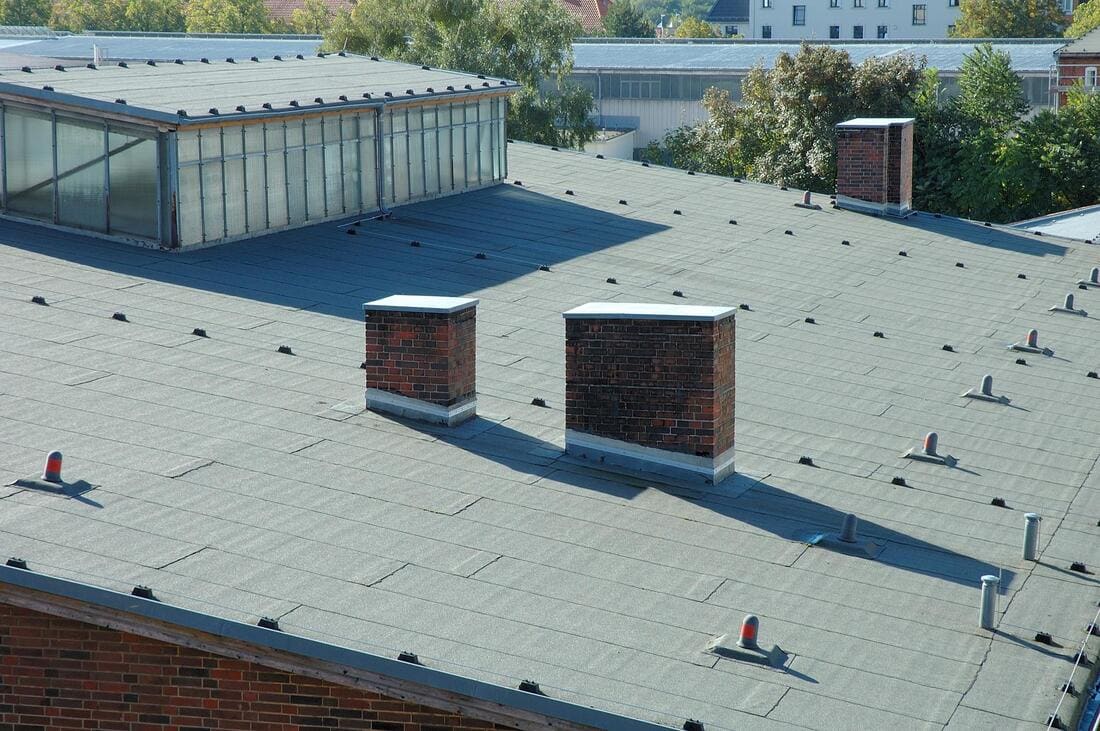
Low-slope roof repair starts with membrane seams, drainage, penetrations, and wall flashing.
Low-Slope Roof Systems We Look At
Common low-slope materials include EPDM rubber, TPO, modified bitumen, rolled roofing, and
metal roof sections near dormers, porches, or commercial entries. Each material has a
different repair method. EPDM repairs often focus on membrane patches, seam tape, pipe
boots, and edge details. TPO repairs require compatible welding or patches. Modified
bitumen work depends on the existing cap sheet, laps, flashing, and whether the surface is
still bonded well enough to repair. A useful inspection separates the visible drip from the
actual failure point, just like roof leak repair on a steep
roof.
Why Flat Roofs Fail Differently
Flat roofs are rarely truly flat, but even a small drainage problem can matter. Ponding
water adds weight, exposes seams longer, and can find pinholes that would not leak during a
fast rain. Freeze-thaw cycles open older seams, especially around parapet walls, skylight
curbs, HVAC curbs, pipe penetrations, and scuppers. Leaves and roof grit can block drains
or create a wet line along the low edge. A winter inspection should also consider snow load
and whether ice has forced water back under a membrane edge. For seasonal prevention, pair
the repair with roof maintenance and drainage checks.
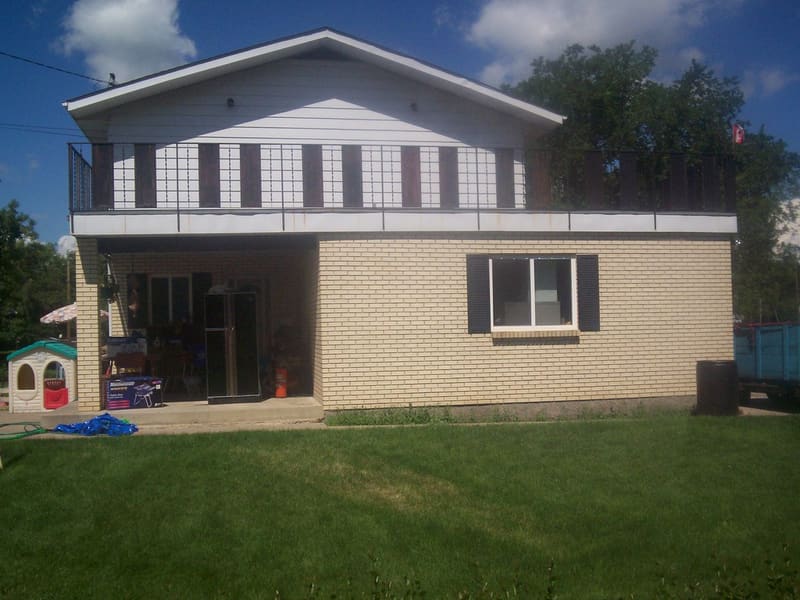
Ponding, drain flow, wall terminations, and rooftop penetrations shape the repair scope.
Repair, Restoration Coating, or Replacement
The right answer depends on roof age, moisture, drainage, seam condition, and how much of
the membrane is failing. A localized repair may be enough for one split seam, a cracked
pipe boot, a loose termination bar, or a small puncture. A restoration coating may make
sense when the membrane is mostly sound, wet areas are corrected, seams are reinforced, and
the manufacturer or product requirements can be followed. Replacement becomes the cleaner
conversation when insulation is wet, the deck has sagged, ponding is chronic, or repeated
patches are only moving the leak. When the decision is close, ask for inspection photos and
compare the scope with the roof repair cost guide.
Pricing Uses the Same Inspection-Confirmed Tiers
The site's repair ranges are planning numbers, not a commercial flat-roof rate card.
Typical tiers include $250–$600 for minor repair, $450–$1,200 for
moderate repair, $1,200–$3,500 for major repair, and $250–$600 for an
emergency tarp or dry-in. Replacement-level work is still confirmed on site with a written
quote; the listed full replacement tier is a general planning range from the sitewide guide,
not a promise for a low-slope commercial roof. Materials, access, height, moisture, drains,
and rooftop equipment all affect the actual scope.
Standing-Seam Metal Panel Repair
Some Naperville buildings and residential additions include standing-seam metal panels at
low-slope transitions, porch roofs, bay roofs, or architectural accents. Metal repairs may
involve panel damage, oil-canning concerns, loose clips, end laps, counterflashing, snow
movement, or penetrations that were not detailed correctly. The inspection should identify
whether the leak is from the metal panel field, a cut edge, a wall tie-in, or the adjacent
roof system before anyone replaces good material.
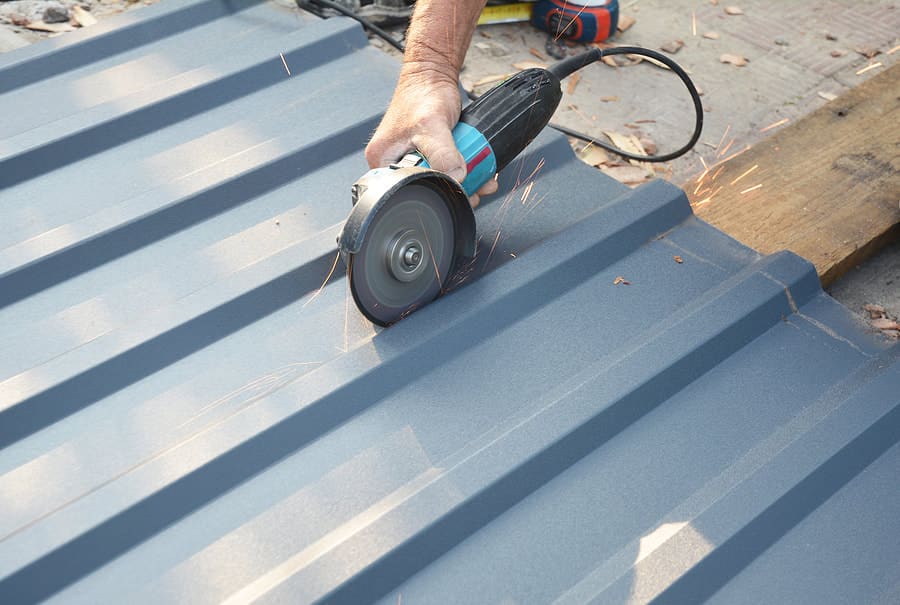
Metal roof details need a separate diagnosis from rubber or modified bitumen membrane work.
Who This Page Is For
This service is for property managers, small commercial owners, offices, retail storefronts,
and homeowners with a flat porch, garage, balcony, or addition roof. The service area stays
focused on Naperville and nearby DuPage County and Will County suburbs. Storefront tenants
may notice ceiling stains near a wall. Homeowners may see a leak where a low-slope addition
ties into the main roof. In both cases, the practical next step is the same: document the
membrane, drainage, flashing, and interior water path, then decide whether repair,
restoration, or replacement is the honest recommendation.
For a low-slope roof inspection, call
(331) 267-5812. Describe the roof type if
you know it, where water shows inside, whether the roof has drains or scuppers, and whether
snow, ice, or ponding water has been part of the problem.
Frequently Asked Questions
How long do EPDM or TPO roof repairs last?
A flat-roof membrane repair can last for years when the surrounding roof is sound, the wet area is isolated, and seams or flashing are tied back into clean material. Age, ponding water, trapped moisture, and movement at walls or curbs can shorten that life.
Is a coating the same as a flat roof re-cover?
No. A restoration coating is a liquid-applied maintenance or restoration system over a roof that can still be repaired and prepared correctly. A re-cover adds a new roof layer. The inspection determines which option is appropriate.
Can a ponding flat roof be fixed without replacement?
Sometimes. Small drainage corrections, scupper work, tapered crickets, or localized repair can help when the deck is sound. Long-term ponding over wet insulation or a sagging deck may require a larger replacement discussion.
Do you repair standing-seam metal roof panels?
Yes, the connected contractor can inspect standing-seam metal details such as panel damage, fasteners, transitions, penetrations, and flashing tie-ins. The written quote confirms whether a panel repair, flashing correction, or replacement section is needed.